
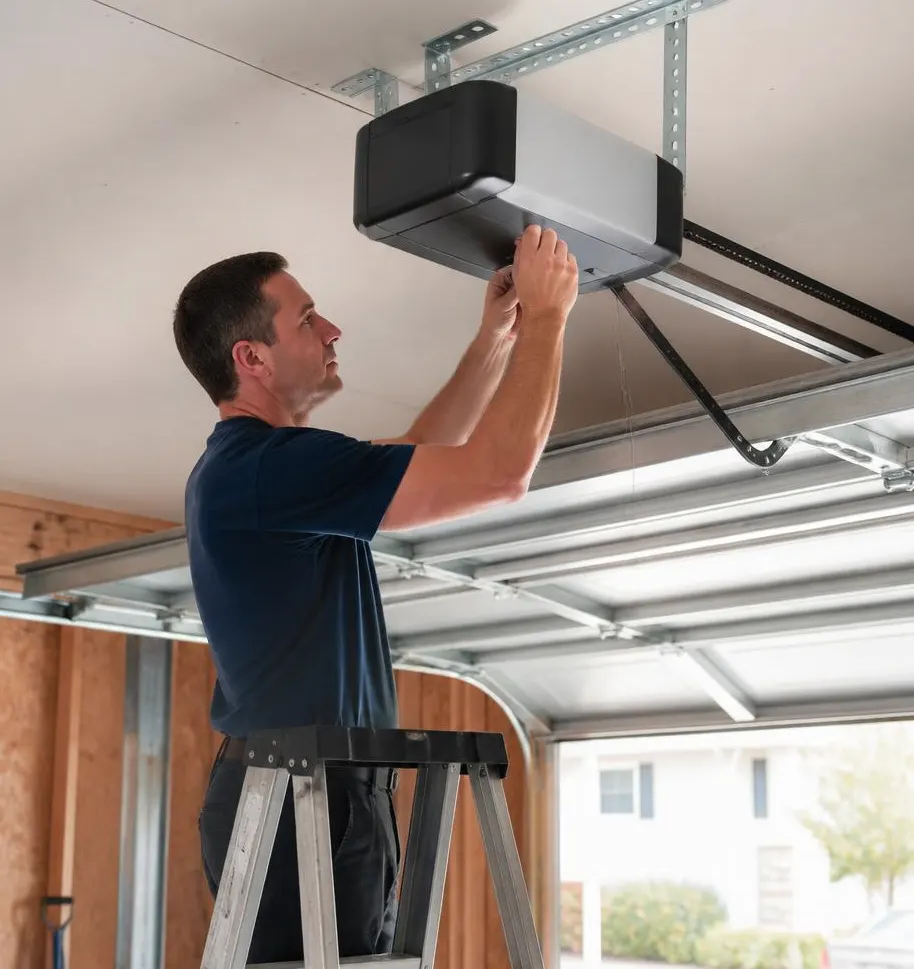
What a Technician Sees on a Typical Call
Most calls about this start the same way: one spouse is convinced the garage door is the reason the utility bill crept up, the other thinks it's the furnace or the thermostat. When a technician shows up, the first thing they do is kneel down and look at the bottom seal. More often than not, it's cracked, flattened, or pulled away from the door in spots — and daylight is visible underneath. That gap, even a quarter-inch wide across a 16-foot door, is roughly the same as leaving a small window cracked open all winter.
Why This Matters More in an Attached Garage
In a detached garage, a leaky door just means a colder garage. In an attached garage, that space usually shares at least one wall with living space — a mudroom, a laundry room, or a bedroom above it. If the garage itself is running close to outdoor temperature because air is leaking in and out around the door, that cold (or heat) transfers through the shared wall and ceiling. Your HVAC system ends up working harder to compensate, even though the leak isn't in the house itself.
Symptoms Worth Checking Before the Argument Continues
- Daylight visible along the bottom or sides of the closed door
- A noticeable draft when standing near the door on a windy day
- The wall or floor shared with the garage feels cold to the touch in winter
- Frost or condensation forming on the inside of the door panels
- Musty or damp smell after heavy rain, suggesting water is getting past the seal along with air
Why This Season Makes It Worse
Heading into the colder months, this is exactly when a bad seal shows its worst side. Icy overnight temperatures combined with gusty storms push cold air through any gap with real force, and that's also when heating systems are running the most hours per day. Add in the heavy rain this area gets, and a worn bottom seal isn't just letting air through — it can let water pool at the base of the door, which freezes overnight and makes the seal crack even more. By the time summer humidity rolls back around, the same gaps let in warm, moist air that makes an air conditioner work overtime too.
Old Houses vs. Newer Construction
Homes with older garage doors — especially non-insulated steel or wood doors common in older construction in this area — tend to have single-layer panels with little to no thermal break. Newer builds often have doors with at least some insulation value, but even those lose most of their benefit if the weatherstripping around the edges has worn out. In other words, a brand-new insulated door with a bad seal performs about the same as an old door with no insulation at all — the leak point matters more than the panel.
What Actually Fixes It (and What Doesn't)
- Replacing the bottom seal and side weatherstripping is usually the first and cheapest fix, often in the range of a standard maintenance visit. This alone solves most draft complaints.
- Insulated panel doors are a bigger investment but make the most sense if the existing door is old, dented, or no longer sits flush in the track.
- Checking the door's alignment and springs matters too — a door that doesn't close level will never seal properly no matter how new the weatherstripping is.
Weatherstripping alone won't help if the door is warped or off-track; in that case, the seal is treating a symptom, not the cause.
When to Call Vienna Overhead Garage Door
If there's daylight under the door, a cold draft near it, or the door doesn't sit flush when closed, it's worth having it looked at before another cold snap or storm rolls through. Vienna Overhead Garage Door's Garage Door Maintenance visits catch worn seals, misaligned tracks, and spring issues before they turn into a bigger repair bill. If the door itself is old, dented, or was never insulated to begin with, our Garage Door Installation team can walk through insulated options that make sense for the house and the budget.
Settle the argument with a straight answer: call Vienna Overhead Garage Door and get the door checked before winter sets in across Vienna, VA and the surrounding area.